installation
Kitchen plumbing and appliance connection
Connecting an appliance costs £90 to £250, and first fixing a kitchen for a new layout is £400 to £1,200 depending on how far services move. The commonest avoidable cost is discovering at fitting stage that there is no isolation valve behind the units.
What this covers
Typical price. £90 to £250 per appliance connection
What the job covers
- Sink, tap and waste installation
- Dishwasher and washing machine connection
- Boiling water and filtered tap installation
- Moving supplies and wastes for a new layout
- Waste disposal units and trap alterations
What is involved
Kitchen plumbing is sequencing as much as pipework. Supplies and wastes have to be in position before the units go in, because a 15mm tail that emerges in the middle of a cabinet where a drawer runner needs to be means taking the unit apart later. On a refit, the plumber wants the kitchen plan with the appliance positions marked before first fix, and half a day on site while the units are being installed for the connections.
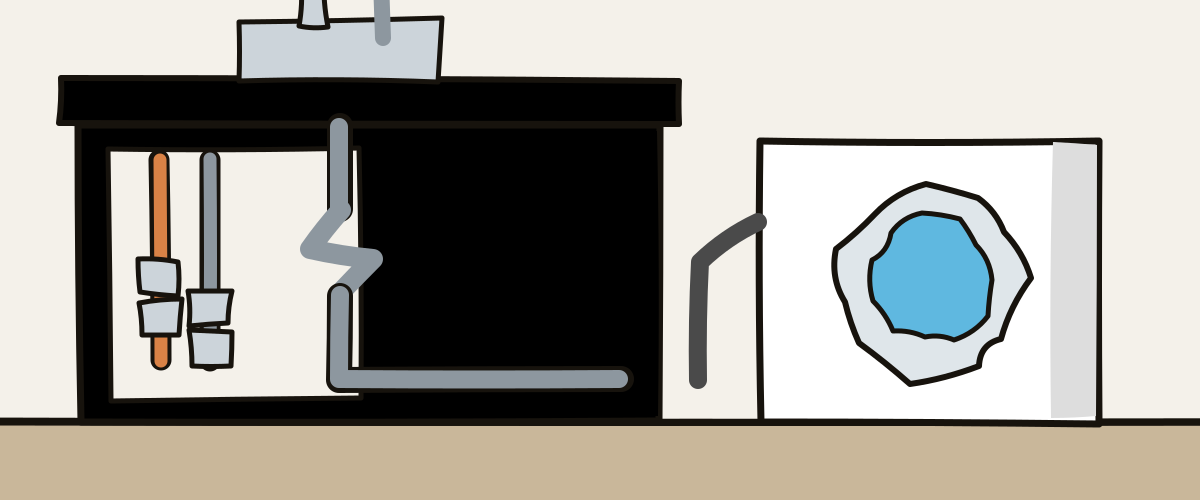
Wastes are where kitchens go wrong. A sink, a dishwasher and a washing machine sharing one trap and a long horizontal run will siphon and smell. Each appliance wants its own spigot on the trap or a standpipe, the run needs a fall, and the washing machine hose has to loop up above the trap so the machine cannot siphon. Those are small details that decide whether the kitchen smells in two years.
Boiling water taps have become common and bring requirements of their own: an under-sink tank needing a socket, a filter that has to be reachable for changing, and enough cupboard space next to the waste. Instant hot taps also need the mains pressure to be within the manufacturer's range, which is worth checking before buying one.
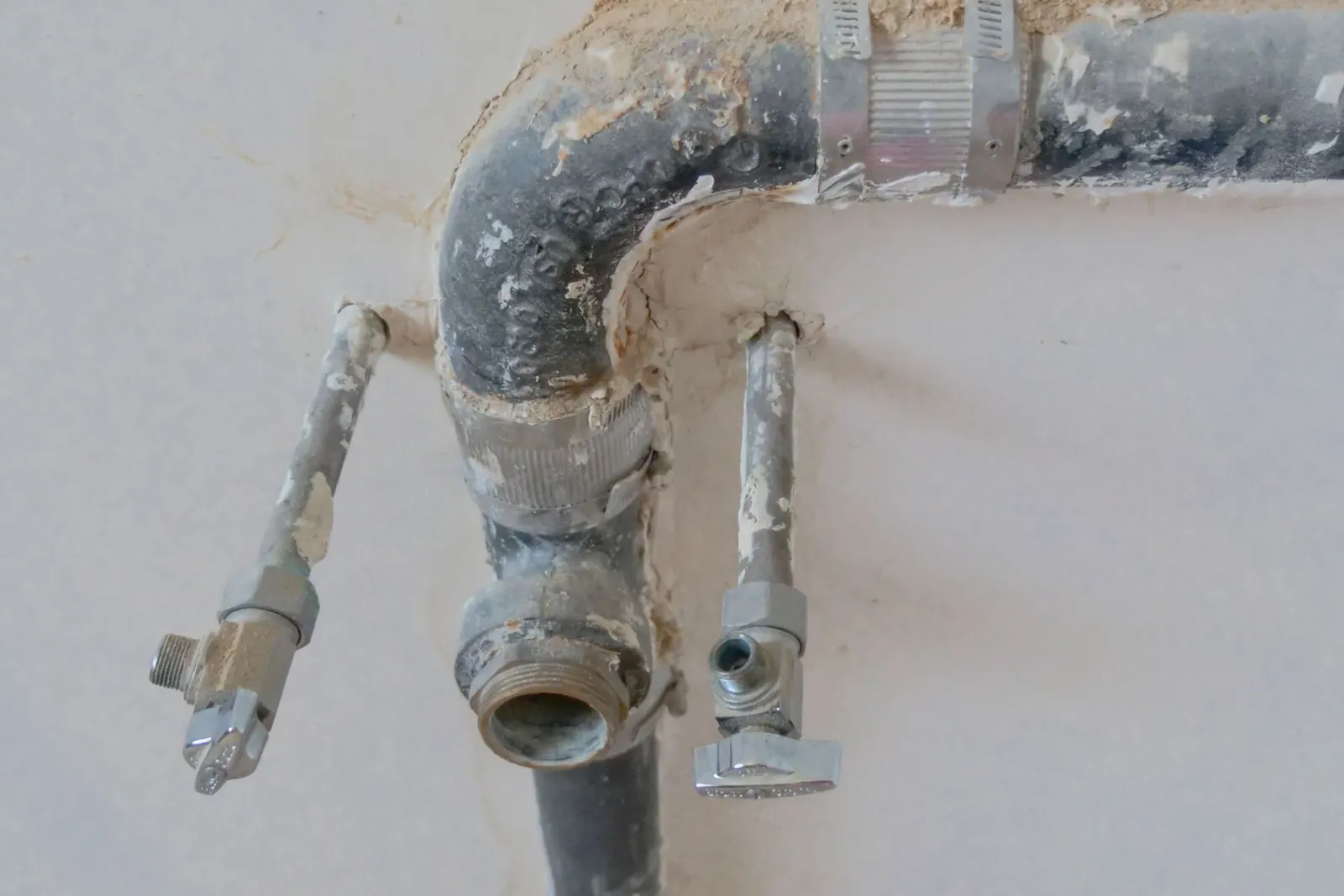
Sink, tap and waste installation, one of the jobs a kitchen plumbing specialist is hired for.
Choosing someone for the job
Give the plumber the kitchen plan before first fix, not at fitting. Ask for isolation valves on every appliance tail and on the tap: they cost a few pounds each and save an hour every future visit. Ask how the appliance wastes are being connected and whether each has its own spigot.
Common questions
Can a dishwasher and washing machine share a waste?
They can share a trap with two spigots, but not a single connection. Sharing one point causes siphoning and smells, and it is the commonest fault in a self-installed kitchen.
Do I need a plumber for a washing machine?
Not if there are existing valves and a standpipe. If new supplies or a waste connection are needed, or the valves are seized, it is a short plumbing job.