water
Hot water cylinders and unvented systems
An unvented cylinder installation costs £1,800 to £3,500 fitted, and replacing a vented cylinder is £700 to £1,400. Unvented work needs a separate G3 qualification on top of ordinary plumbing competence, and the installation is notifiable to building control.
What this covers
What it costs. An unvented cylinder installation costs £1,800 to £3,500 fitted. Full cost breakdown.
What the job covers
- Unvented cylinder installation and G3 certification
- Vented cylinder replacement
- Immersion heater and thermostat replacement
- Expansion vessel and discharge pipework
- Annual unvented cylinder servicing
What is involved
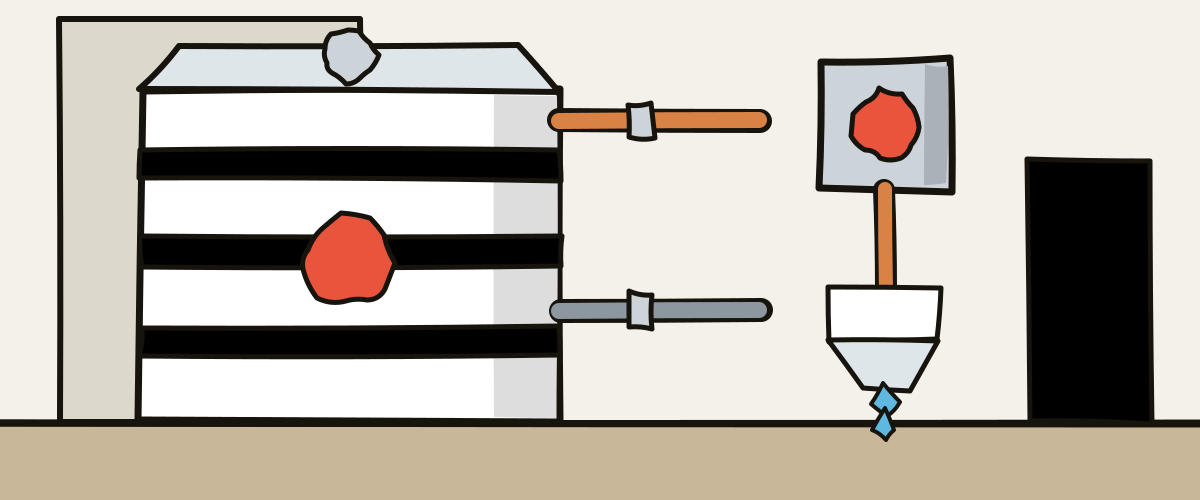
A vented cylinder is fed by gravity from a tank in the loft, so hot water arrives at whatever pressure the height of that tank provides, which is low. An unvented cylinder is fed straight from the mains, so every hot tap runs at mains pressure and a shower behaves like a shower. That is the whole appeal, and it is why most cylinder replacements now go unvented where the incoming main can support it.
The trade-off is that an unvented cylinder is a pressure vessel holding a large volume of water above 60 degrees, and it carries three layers of protection: the thermostat, a thermal cut-out, and a temperature and pressure relief valve discharging through a tundish to a safe visible point outside. Those have to be installed and discharged correctly, which is what the G3 qualification covers and why the work is notifiable. An unvented cylinder installed by somebody without it is both unlawful and genuinely dangerous.
Sizing follows use, not house size. Two bathrooms in simultaneous use want 210 litres or more; a single bathroom is comfortable on 150. Reheat time and the coil surface area matter as much as volume, and a cylinder sized for a heat pump needs a much larger coil than one sized for a boiler because it is heated with water at 50 degrees rather than 80.
Unvented cylinders need an annual service: the expansion vessel charge checked, the relief valves tested and the strainer cleaned. Skipping it is the commonest cause of a cylinder discharging water through the tundish for no apparent reason.
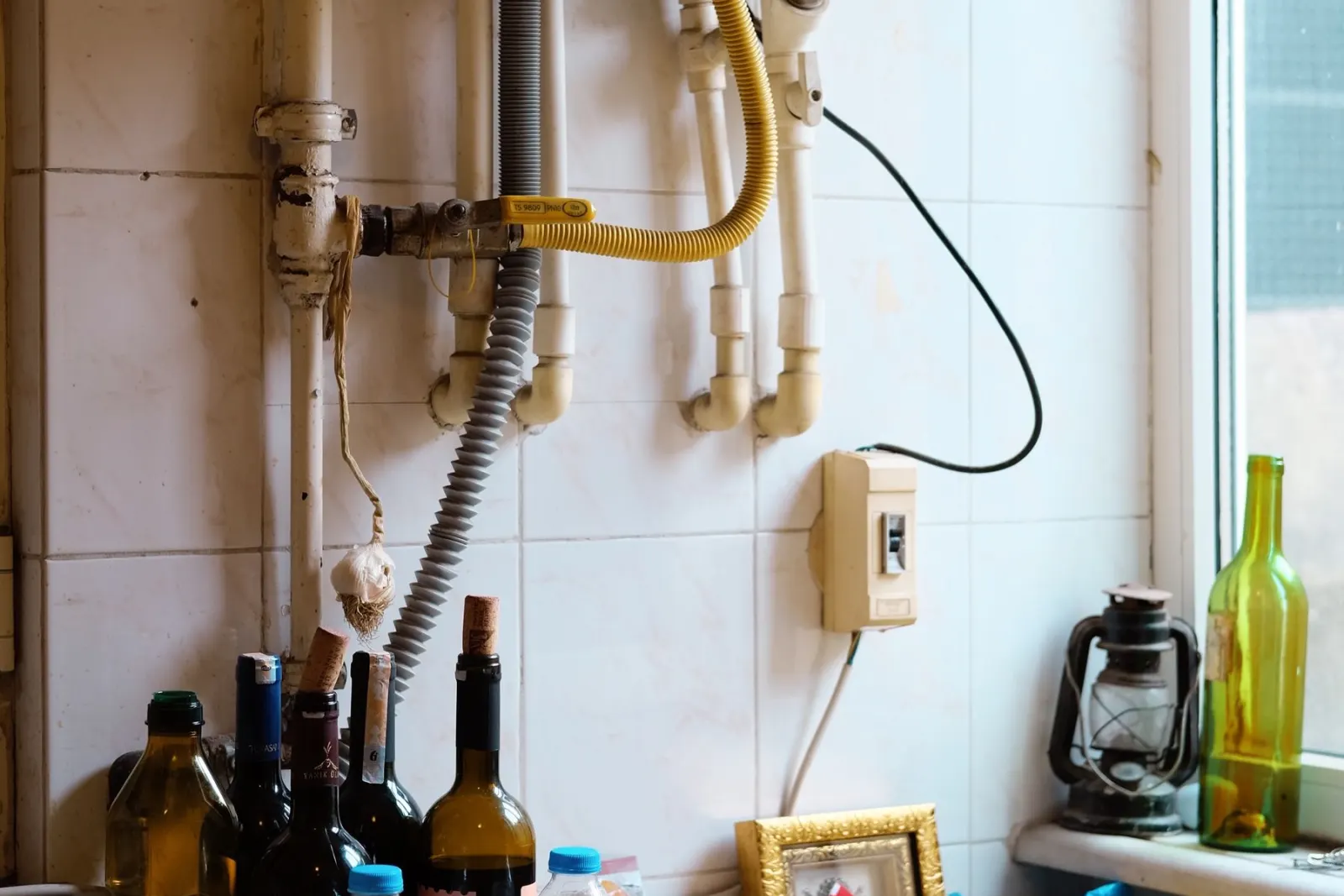
Unvented cylinder installation and G3 certification, one of the jobs a hot water cylinders specialist is hired for.
Choosing someone for the job
Ask to see the G3 qualification, not just Gas Safe registration, because they are different tickets. Ask what mains flow rate the cylinder is being sized against. Ask where the discharge pipe will terminate, since it has to be visible and safe. If you may fit a heat pump later, ask for a cylinder with a heat pump coil now: the extra cost is small and retrofitting is not.
Common questions
What is the difference between vented and unvented?
A vented cylinder is fed by gravity from a loft tank and runs at low pressure. An unvented cylinder is fed from the mains and delivers hot water at mains pressure. Unvented needs G3 certified installation.
Why is water dripping from the pipe outside?
That is the tundish discharge from the relief valves. It usually means the expansion vessel has lost its air charge or a valve is passing, and it needs a service visit rather than being ignored.