heating
Radiators, valves and towel rails
Swapping a radiator for one the same size costs £150 to £350 fitted. Adding a new radiator to an existing circuit is £400 to £900 depending on how far the pipework has to travel, and a heated towel rail in a bathroom sits at the lower end of that.
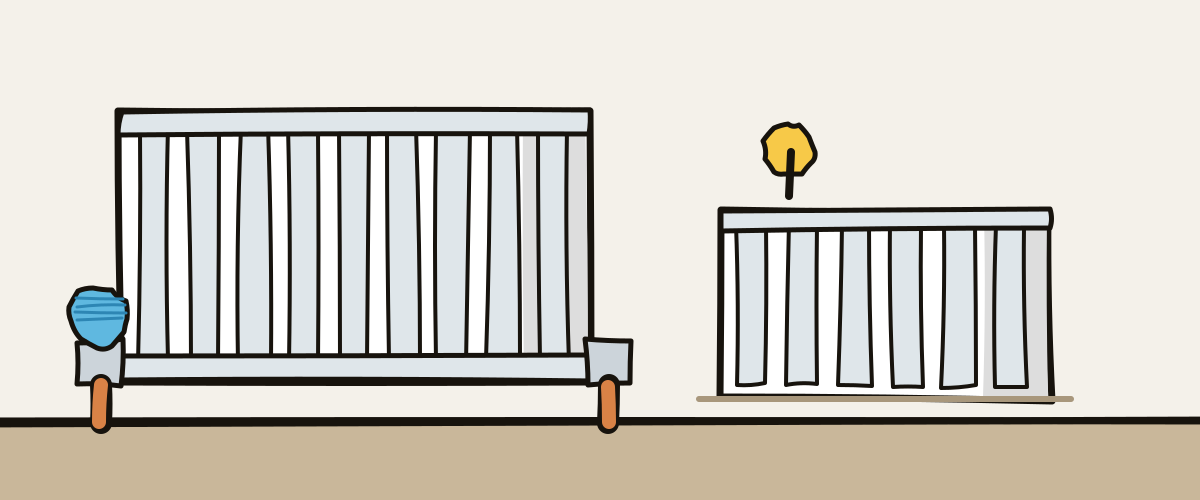
What this covers
What it costs. Swapping a radiator for the same size is £150 to £350 fitted, including the radiator. Full cost breakdown.
What the job covers
- Swapping radiators like for like
- Adding radiators to an existing circuit
- Heated towel rails in bathrooms
- Thermostatic and lockshield valve replacement
- Removing radiators for decorating and refitting
What is involved
A like-for-like swap is a short job: isolate the valves, drain the radiator, lift it off and hang the new one on the same centres. It goes wrong when the new radiator has different pipe centres from the old, which is common when replacing a single panel with a double, and the pipework then has to be adjusted at the floor.
Adding a radiator means finding a pair of pipes to tee into and getting the connection back to the new position, which is easy under a suspended timber floor and awkward over a concrete slab. On a solid floor, the honest options are chasing the walls, running in trunking at skirting level, or coming down from above. A plumber who says any of those out loud at the quoting stage is doing you a favour.
Valves are cheap and decide how the system behaves. A thermostatic valve on the flow controls the room; the lockshield on the return sets how much flow that radiator takes relative to the others. The lockshield is what balancing adjusts, and it is why radiators nearest the boiler often need theirs closing down. One radiator, usually in the room with the wall thermostat, should be left on plain valves so the system always has a path open.
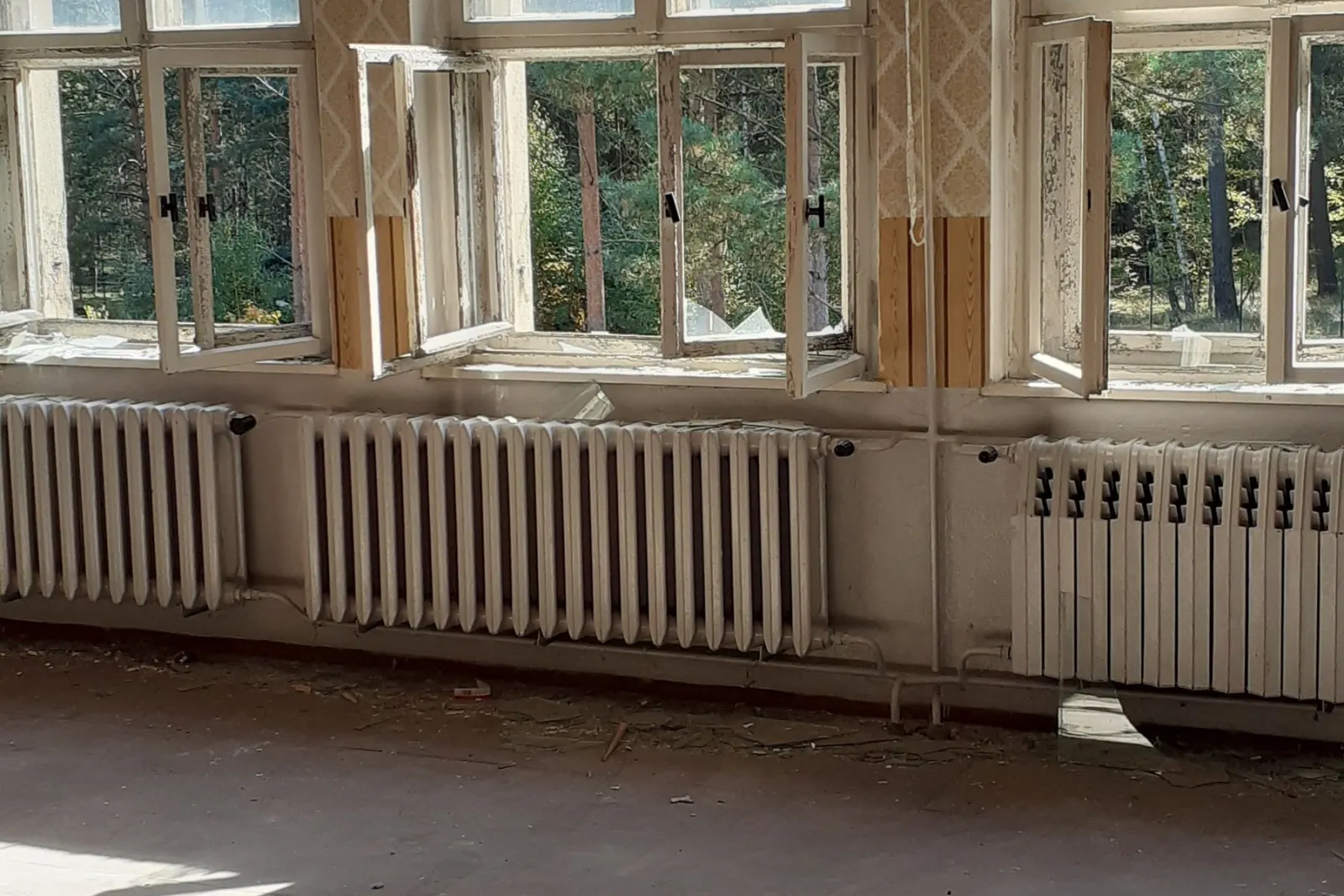
Swapping radiators like for like, one of the jobs a radiators specialist is hired for.
Choosing someone for the job
Ask whether the new radiator's pipe centres match the old, because that decides whether it is a two hour job or a four hour one. Ask whether the system will be drained fully or the radiator isolated at the valves, because a full drain-down means the inhibitor has to be replaced. If you are swapping several, ask for a balancing visit afterwards.
Common questions
Do I need to drain the whole system to change a radiator?
Usually not. If both valves shut off cleanly the radiator can be isolated and lifted. Old valves that no longer seal are the reason a job sometimes turns into a drain-down.
Are designer radiators less efficient?
Not inherently, but many tall or flat panel designs put out less heat per metre of wall than a conventional convector. Check the output in watts against the room's requirement rather than the size.