How to
How to bleed a radiator, step by step
Turn the heating off and let it cool, open the bleed valve a quarter turn with a radiator key until water follows the air, close it, then check the boiler pressure. Once a year is usually enough.
How to tell a radiator needs bleeding
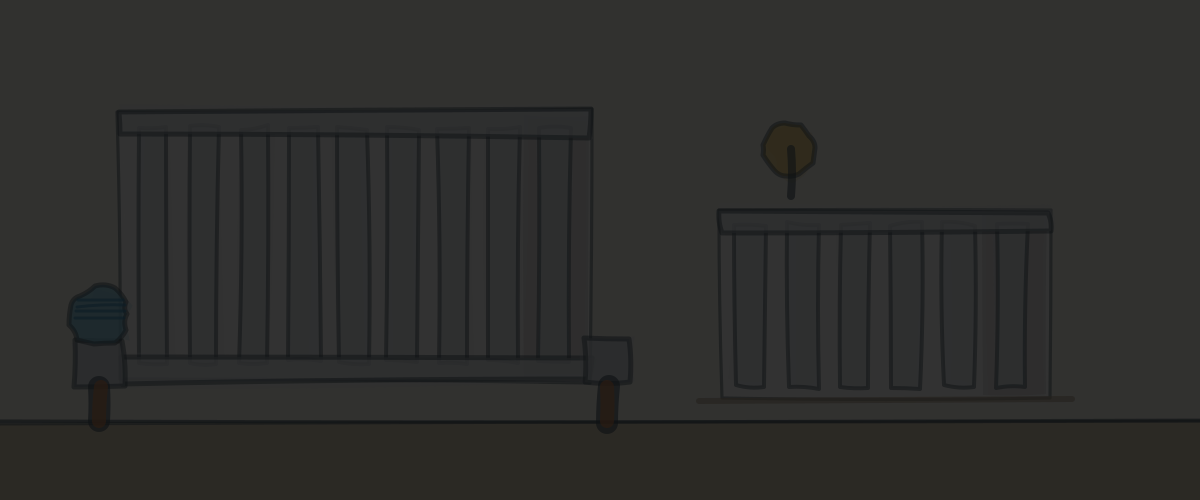
A radiator that needs bleeding is warm along the bottom and cold across the top. Air is lighter than water, so it collects in the top of the panel and stops hot water filling it. You may also hear gurgling or trickling in the pipes when the pump starts.
Where the cold sits tells you what is wrong, and bleeding only fixes one pattern of it:
- Cold at the top, warm at the bottom: air. Bleed it.
- Warm at the top, cold at the bottom: sludge settled in the panel. Bleeding will not help.
- Cold all over while the others are hot: a stuck valve or a system that needs balancing.
- Cold upstairs only, on a system with tanks in the loft: often a circulation or feed problem rather than trapped air.
What you need
A radiator key, which costs a couple of pounds at any hardware shop and fits the square spindle in the bleed valve. Many newer valves take a flat screwdriver instead. You also need an old cloth or towel to hold under the valve, and a small cup or tray for drips, because the water that comes out can be black and it stains carpet.
If you have a combi or system boiler, find the pressure gauge on the boiler before you start and note the reading. You will want to compare it afterwards.
Bleeding a radiator in seven steps
- Turn the heating off at the programmer or thermostat and wait until the radiators are cool enough to touch, usually half an hour or so.
- Find the bleed valve: a small round fitting with a square or slotted spindle in one of the top corners of the radiator.
- Hold the cloth under the valve and fit the key.
- Turn the key anticlockwise a quarter to half a turn. You should hear air hissing out. Do not unscrew it further than you need to.
- When the hissing stops and a steady trickle of water appears, turn the key clockwise to close the valve. Snug, not forced.
- Wipe the valve dry and repeat on any other radiator that was cold at the top.
- Check the boiler pressure and top it up if it has dropped below the green zone, then turn the heating back on and feel the radiators once they are hot.
Heating on or off?
Off. With the heating on, the water spitting out of the valve can be hot enough to scald, and the pump moving water round the circuit keeps the air stirred up, so it does not gather at the top of the radiator where you can let it out. Running the heating for ten minutes first to move the air, then switching off and waiting for it to cool, is a reasonable approach if the radiators have been off for months.
Which order to do them in
Do every radiator that shows the symptom, not only the coldest. Many engineers start on the ground floor at the radiator furthest from the boiler and work towards it, then do the same upstairs. The order matters less than finishing the round and checking the pressure at the end. Heated towel rails have a bleed valve too, usually on the top of one upright.
Sealed system or tanks in the loft
On a combi or system boiler the heating is a sealed, pressurised circuit, and every drop let out of a bleed valve lowers the pressure. Boiler manufacturers generally want it between 1 and 1.5 bar when the system is cold. If it has fallen below 1 bar, top it up with the filling loop under the boiler, as the boiler's instructions describe, and close both valves on the loop when you are done.
An older open vented system, with a small feed and expansion tank in the loft, refills itself from that tank. There is no gauge to check, but it is worth a look in the loft to make sure the tank's float valve is working and the tank has water in it.
When bleeding is a symptom
Once a year, before the heating season, is normal. Needing to bleed the same radiator every week or two is not. Air or gas that keeps coming back is usually being produced inside the system by corrosion, which also produces the sludge that ends up at the bottom of radiators, or it is being drawn in through a small leak. Both are worth a visit from a plumber, who can test the water, check the inhibitor and look for a weeping joint.
A bleed valve that has seized or snapped off, or one that lets out no air and no water at all, is also a job for a plumber. Forcing a corroded valve can shear the thread and leave you with water running out of the radiator.
Common questions
Why does nothing come out when I open the bleed valve?
On a sealed system the pressure may already be too low to push anything out, so top it up first. If the pressure is fine, the valve opening is probably blocked with paint or sludge, and a plumber can clear or replace it.
Can I bleed a radiator without a radiator key?
If the valve has a slot across the spindle, a flat screwdriver works. If it has a square spindle you need a key; pliers will round the corners off and make the next attempt harder.
Does bleeding radiators lower the boiler pressure?
Yes, on a combi or system boiler. Letting air and water out of a sealed circuit drops the reading, which is why you check the gauge afterwards and top up if it has fallen below about 1 bar.
How do I know when a radiator is fully bled?
When the hiss of air stops and water comes out in a steady stream without spitting. After the heating has run for an hour, the top of the radiator should be as warm as the rest.